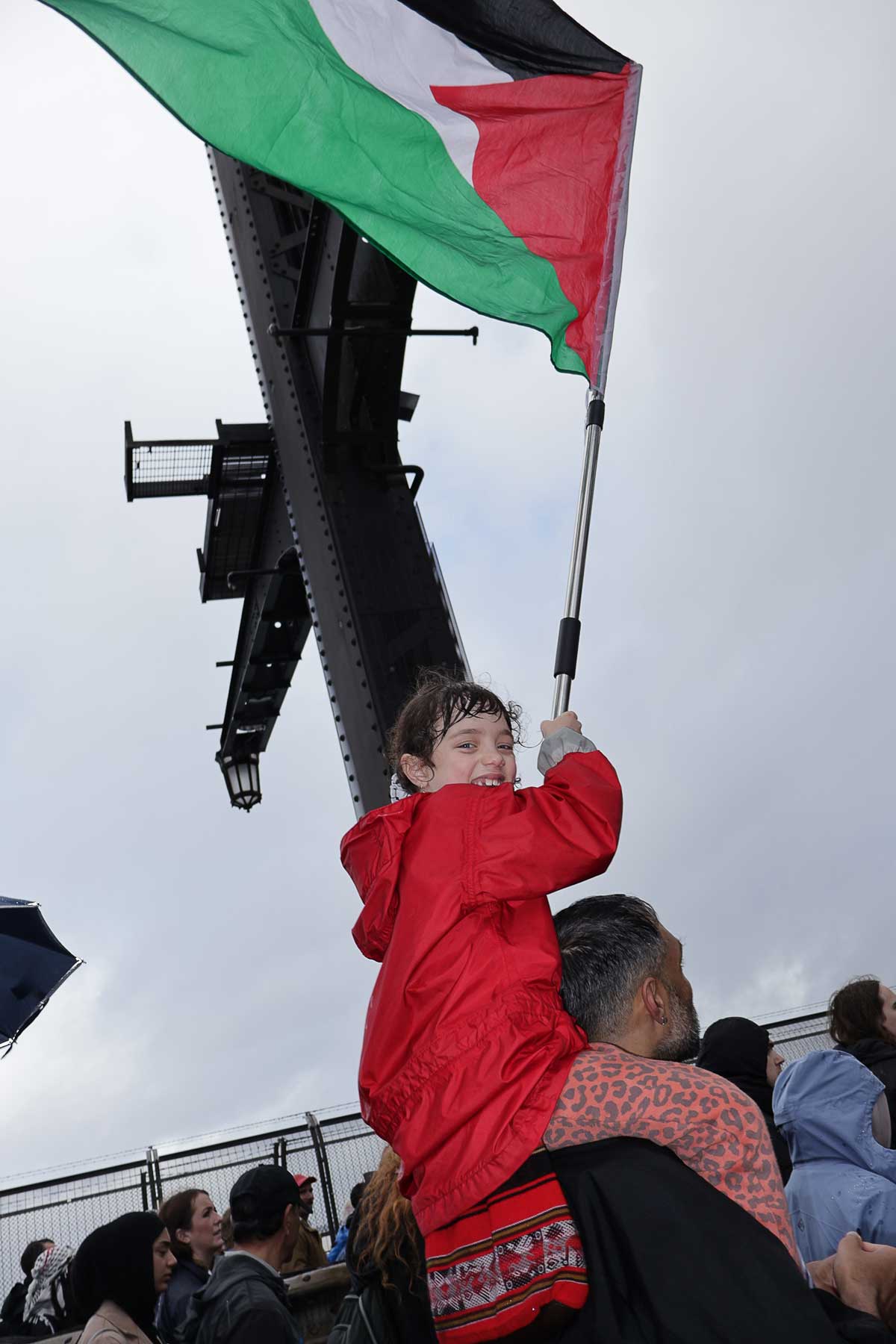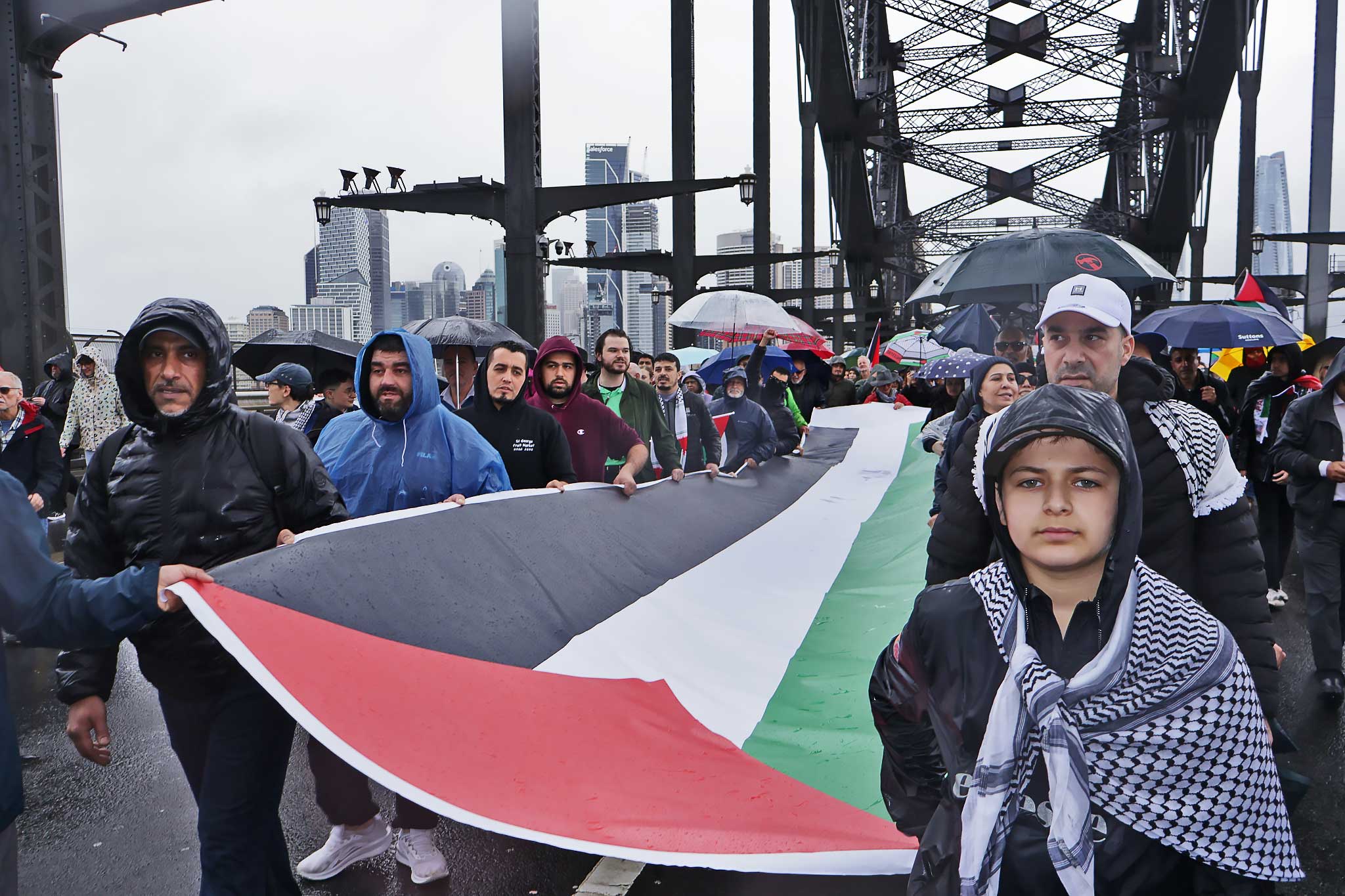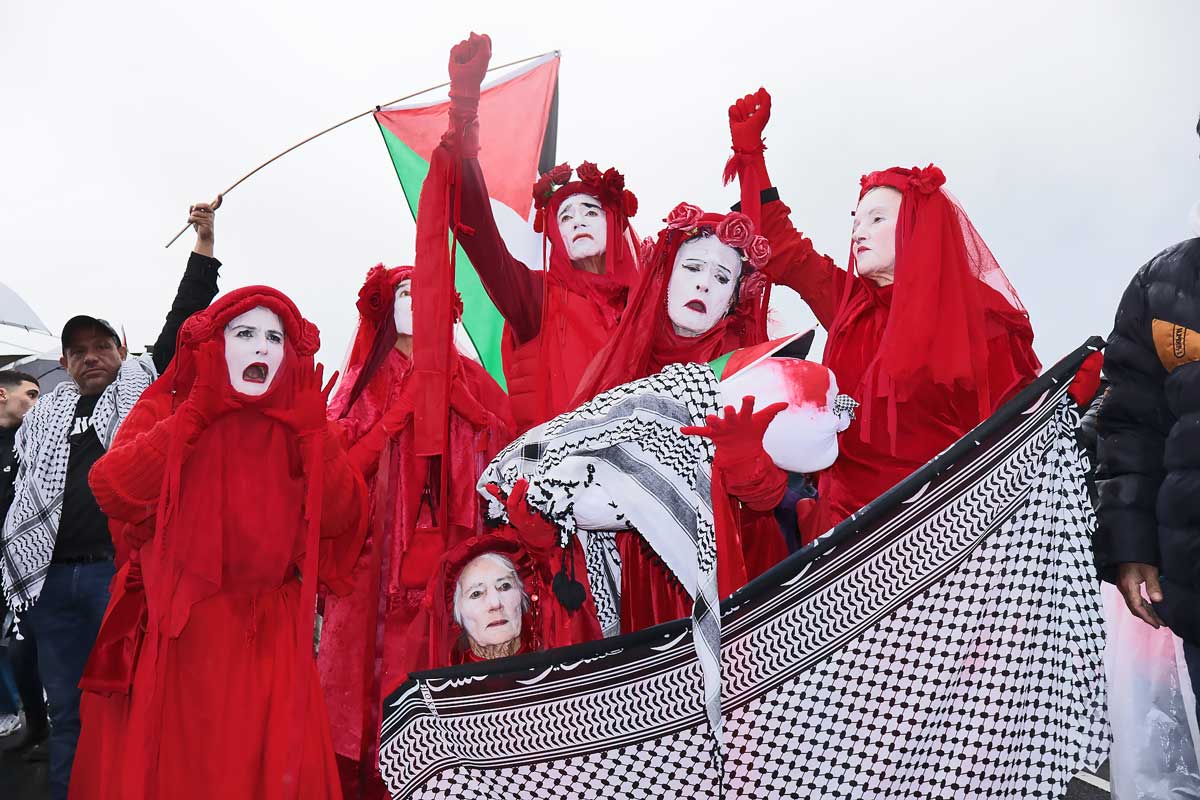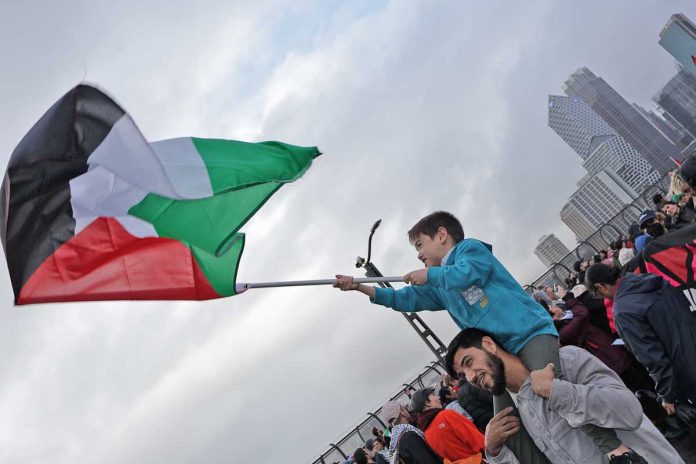
Sunday, August 3 marked a watershed moment in the growing movement for Palestinian solidarity in Australia, as hundreds of thousands of people marched across the Sydney Harbour Bridge in a powerful act of public defiance, despite rain, fog, and wind.
Organised by the Palestine Action Group Sydney (PAG), the March for Humanity was the largest public protest seen in Sydney in recent memory, drawing widespread community support as well as high-profile political figures. A number of Labor MPs – including Penny Sharpe, Jihad Dib, Jo Haylen, Stephen Lawrence, Lynda Voltz, Ed Husic, and former Premier Bob Carr – defied party lines to participate, in direct contradiction to Premier Chris Minns, who has remained staunchly opposed to Palestine-related protests.
The NSW Police, having failed in court to block the event, unilaterally declared an early end to the protest on the day, blocking protestors at the North Sydney exit and creating dangerous choke points.
The move has drawn sharp criticism from civil rights advocates, with claims that public safety was compromised and police powers were abused under political pressure.
Greens justice spokesperson and solicitor Sue Higginson MLC condemned the police response and Premier Minns’ hardline approach. She announced plans to introduce legislation to repeal the controversial police “move-on” powers, originally introduced by the Coalition and expanded under Minns.
“The Premier has tried to silence peaceful protest and misused police powers to do so,” Higginson said. “It’s time to reset the system. Protest is not a threat to democracy – it is a key part of it.”
Among the thousands marching was WikiLeaks founder Julian Assange, making a rare public appearance since returning to Australia last year. Though he did not speak, his presence in Lang Park before the march was seen by many as a quiet show of solidarity.
With political dissent mounting and legal reform on the table, pressure is building on Labor and Greens representatives to act decisively to protect the right to protest and ensure police powers are not misused to suppress democratic expression.
The March for Humanity may have crossed the Bridge, but its message – and its momentum – are far from over.