


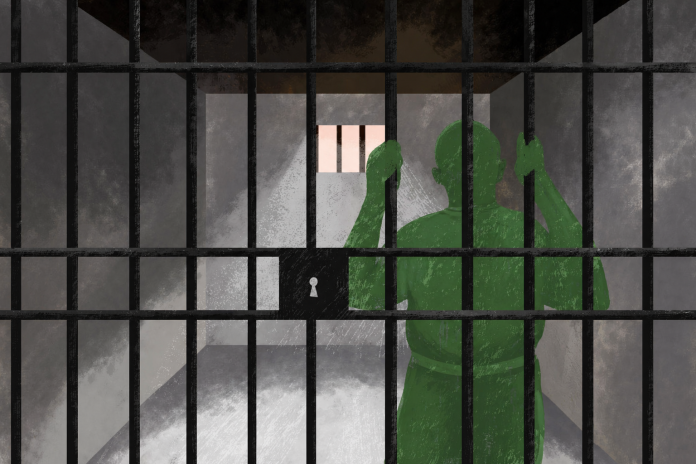
Prison is a “culture” that most people look down on because it lies beyond their experience and understanding.
As a chaplain in a remand prison with men in maximum, minimum and protection classifications, I have come to understand and appreciate the humanity of those I see and speak with each day. But I could not recommend that anyone choose to be incarcerated.
Prisons are dehumanising. Where else would you have an evening meal delivered to your cell at 2.30pm, before being locked in at 3pm, and then remain there with a cellmate until 8.30am the next morning? In the confined space of that cell, you eat, sleep, shower and use the stainless-steel toilet in each other’s company. Where is the humanity in that?
Oh sure, there is a television to share. And yes, there is the possibility of making a phone call on the shared phone in the yard – but only if you have enough money in your jail account.
There are also opportunities to attend programs such as art, anger management, fitness, literacy and numeracy, and positive lifestyles. Prisoners have access to a library and, of course, the prison provides chapel services through chaplaincy. These programs and activities are aimed at creating a pathway towards rehabilitation – or at the very least, they provide some respite from the routine boredom of life in the wing with 200 other inmates.
Sadly, in NSW, the rate of recidivism – reoffending and returning to prison – is around 50–60%. So perhaps imprisonment is an inadequate solution to reducing crime and recidivism. One justice reform organisation has a motto: “Jailing is Failing.” There is truly so much more that we could, should and must do to reform how we punish those who fall foul of the criminal justice system.
I have never exercised my training and experience as a minister of the Church in a place where I encounter such genuine honesty and compassion. The “men in green” have undoubtedly done things that have led to their incarceration. Nevertheless, I have found good men who truly want to become a better version of themselves. This is possible with just a bit of kindness and compassion from me – from us.
Yesterday, at a chapel service, one of the boys spoke up and said that he believes that “heaven is here with us.” And you know what? The other inmates understood exactly what he meant. I was moved and inspired by him.
Every day, the inmates have something to teach me. So, for me at least, prison has the potential to be a culture of hope and possibility, not only of judgement and punishment.
There are some post-release services that are making a big difference to the lives of men and women as they strive for the often elusive goal of rehabilitation. But there are simply not enough.
How in God’s name, and I use the term quite deliberately, can someone released from custody with only enough money for a bus fare, hardly enough for something to eat or drink, and nowhere to stay, even begin on the road to rehabilitation? Is it any wonder that so many end up back in prison?
This chaplain believes that there must be a better way, and I truly hope we can find it. Surely it is time for both justice reform and social reform that make a real difference.
If not me, then who? If not now, then when?
The Rev. David Russell is Uniting Church Chaplain at Parklea Correctional Centre.





Thank you for your insight and calm, reasoned analysis David, you’re bringing a humanity to your work that few (outside of prison) could appreciate.
Thank you David – an important article worthy of thoughtful, compassionate and creative attention.
Thank you David for your writing. All so true.