Poet-naturalist Elizabeth Bradfield’s fourth collection, Toward Antarctica, (Red Hen Press), is an insider’s love letter to one of the world’s most iconic wild places, and I found it unique, moving and brilliantly informative.
I doubt I will ever go to the Antarctic but this book makes me feel I’ve (almost) encountered it. Bradfield recommends listening to the “unearthly” underwater vocalisations of Weddell seals, and making changes at home to prevent plastic pollution and carbon emissions that can make a difference in Antarctica – a place she has worked in since 2004 as a naturalist on ecotourism expedition ships and been obsessed with since discovering Alfred Lansing’s Endurance at a used book store in 1997.
She writes: “Every year, thousands of tourists visit Antarctica. In the 2016–2017 season, IATTO (the International Association of Antarctic Tour Operators) reports that the total number was 44,367, an increase of 15 per cent over the previous season. I understand the desire to travel there, the panic over getting there before it’s ‘gone’. I also don’t know if I’ll return.”
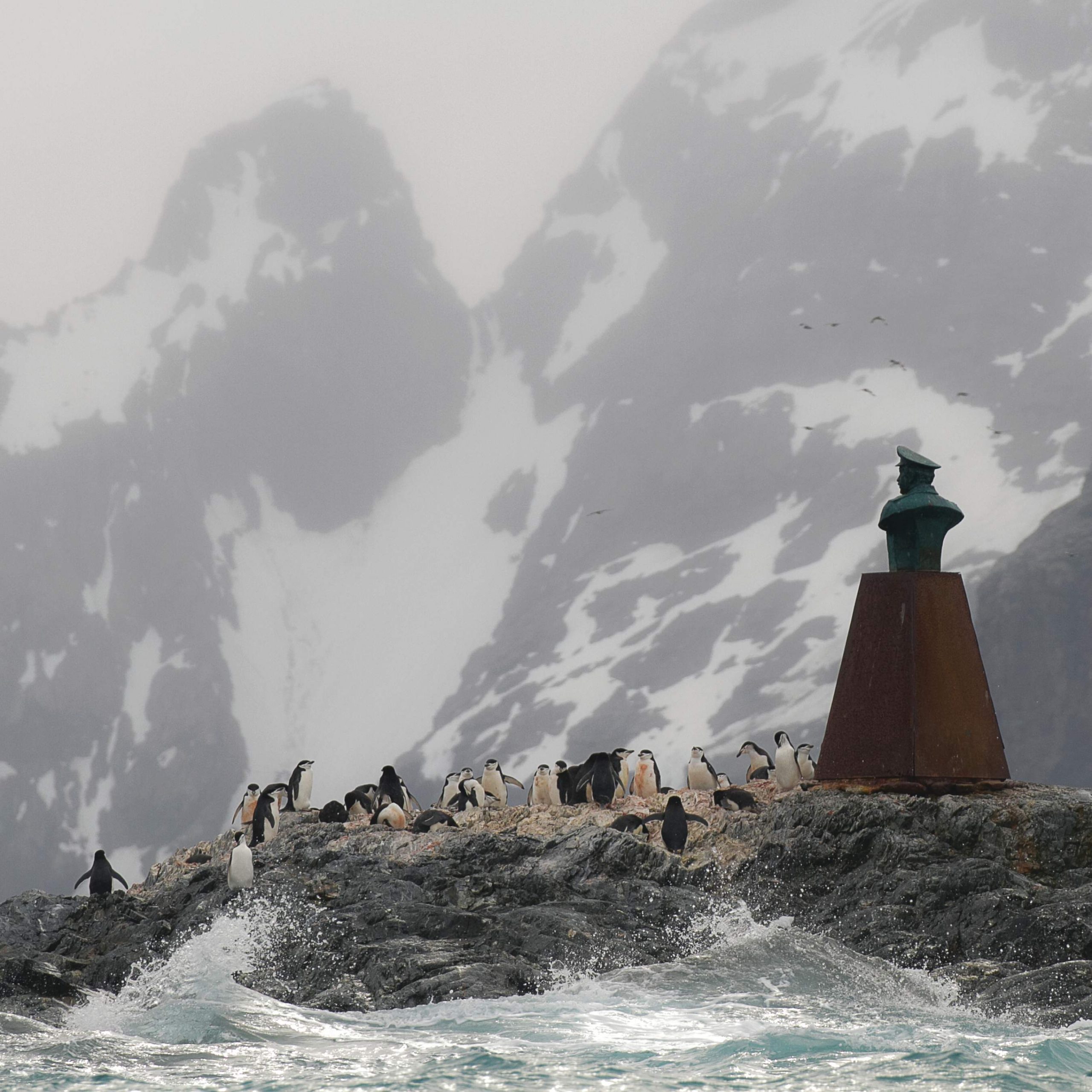
Of her poem “Here/Elsewhere” she says: Various petrel species arrive in Antarctic waters with stomachs polluted by plastics ingested elsewhere. They break the plastic down into smaller pieces, which they then excrete. But the toxic substances remain behind in their intestines. A side effect of this digestion rate is that birds contribute to the spreading of plastic waste into waters that otherwise would not have any.
Here/Elsewhere
In news: birds drawn by longline bait, hooked, pulled into deep, unrecoverable plunge. Or, polyethylene wave-shredded to chum then plucked up, flown to nest, voided into chick gape as food. And thus what lasts: plastic-gut carcasses, feather & bone around a bright centre that will never degrade enough.