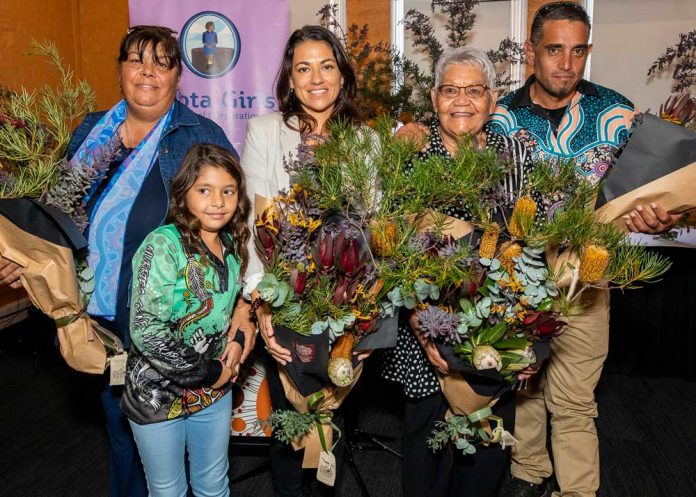
The trauma inflicted on the Stolen Generations also affects subsequent generations and a new short film, featuring the descendants of several Coota girls, explores this painful reality.
Coota Girls Aboriginal Corporation released the short film Walking Our Songlines at the end of April.
Meagan Gerrard, Communications and Program Officer for the corporation, said she would like this film to be an educational resource for truth telling.
“I think a lot of people… have the wrong information. They’ve been brought up learning one side of the story in our education system,” she said.
Ms Gerrard would also like the film to be an inspiration to Stolen Generations survivors and their families and communities.
The film is told through the stories of four different people who had parents and grandparents from the Stolen Generations.
“Overwhelming evidence suggests that trauma experienced by Stolen Generations survivors – so those are the girls and boys that were forcibly removed – the trauma that they’ve experienced has a direct impact on subsequent generations,” Ms Gerrard said.
It’s a complex trauma, she said, and has been passed on in many different ways, and the community is still healing from it today.
The idea for the short film came from Ms Gerrard’s own lived experience.
“My grandmother was a Coota girl, so she was forcibly removed at the age of four,” she said.
“The idea was around my lived experience with intergenerational trauma and just working with it, our families and communities, and with the wider community.”
The Cootamundra Domestic Training Home for Aboriginal Girls was a training institution for Aboriginal girls. The girls were forcibly removed from their homes under the Aborigines Protection Act (1909-1969) and trained to become domestic servants and farm hands in wealthy non-Aboriginal households.
The impact of intergenerational trauma is different for everyone, Ms Gerrard said, but the main theme is around a need for connections and being strong in spirit.
“For me, when there’s fractures with our connections with Aboriginal people, to culture, language, community, country, because that was taken away from us, it can really affect you,” she said.
“Growing up, you don’t really understand about it until you start to learn about it. You feel like there’s something missing and your spirit is unwell.
“I think once you start to strengthen those connections to culture, country, community, you feel stronger spiritually.”
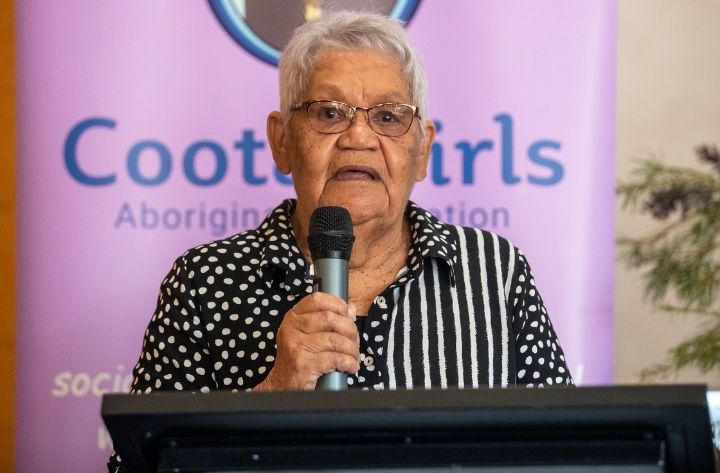
Understanding intergenerational trauma can also help address contemporary issues faced by Aboriginal and Torres Strait Islanders.
Some families are battling with issues of addiction and substance misuse because of the lack of awareness of this type of trauma, Ms Gerrard said.
“They were all coping mechanisms. Not having an understanding of what was going on inside them, it was used as a way to deal with it,” she said.
Ms Gerrard is also hoping that a greater awareness will help her community to move forward together.
“I think once there is that deep understanding within community, we have a better chance of being understood, having acceptance of what’s happened and then more support moving forward together,” she said.
“I think for there to be reconciliation there needs to be healing, there needs to be acceptance, we need to stop racism.”
The word “songlines” in the film’s title refers to the singing culture of the Aboriginal community. A songline is the walking route that Aboriginal people travelled to cross the country. Each songline has an ancestral story attached to it.
_______________
Email Meagan@cootagirls.org.au to view the film.