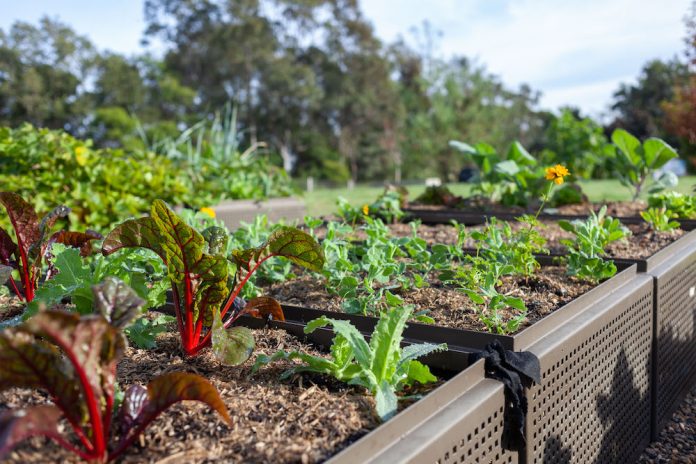
A greater appreciation for Indigenous cultures, a growing desire for connection to community and the natural world, and a shift towards farmers’ markets and community gardens are all indicators of a rising worldwide movement for localisation that is realigning our priorities with our deeper human values, as well as with the needs of the planet.
This shift is necessary according to Helena Norberg-Hodge, pioneer of the local economy movement and director of Local Futures, The International Alliance for Localization and World Localization Day (WLD) on June 20.
“From climate change to species extinction, from pollution to plastics, the global food system is the single largest contributor to the destruction of our planet,” she says.
“Strengthening local economies is a win-win-win strategy, simultaneously restoring environmental health, building community and securing livelihoods.”
Localisation is about supporting local shops, local farms and farmers’ markets and local businesses. It’s about keeping money within the community, and investing in where you live – financially, emotionally and practically.
Central to this year’s WLD efforts was a worldwide Local Food Feast campaign held in June with hundreds of feasts taking place across the globe to illustrate the transformative power of local food systems.
In Australia, to show their support for localisation people held food feasts, took part in seminars, and attended talks featuring Indigenous leaders addressing the challenges in transforming industrialised societies into mature civilisations that care for Country and care for each other.
Local Futures is a non-profit organisation with offices in the US, the UK and Australia. Its mission is to renew ecological, social and spiritual wellbeing by promoting a systemic shift towards economic localisation.
While the localisation movement is (naturally) decentralised, it says, the need to act together is critical.
The Local Futures website provides a host of ways people can change their practices now to build momentum for bigger community projects and collective action – from shifting five of your regular food purchases to a local farm or producer to growing plants that attract and support pollinators, other insects and wild birds.
Take a look.
#WorldLocalizationDay
https://worldlocalizationday.org/