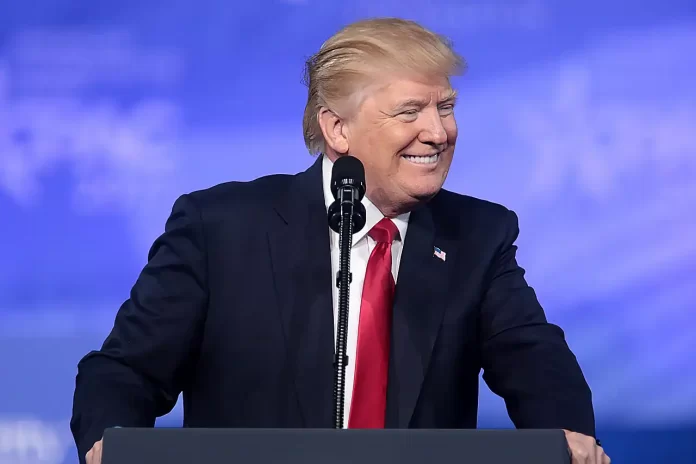
“Trump decarbonises global economy” was not on any bingo card for 2026 but things have a way of working out for The Man Who Wanted an Award, because thanks to his war against Iran, the price of fuels has recently rocketed by up to 40%. This time, with credible alternatives now readily available, it’s forcing consumers and businesses alike to reconsider electrification.
What’s that exactly? Electrification simply means swapping any appliance or machine from non-electric (such as petrol or gas) to electric power. Once it’s electric, this then paves the way for it to be powered by renewable energy, permanently shielding the user from the vagaries of fossil fuels and their associated conflicts.
A less discussed benefit of renewables is that they transform energy from a geopolitical supply chain conundrum to a simpler finance problem. Instead of worrying about the cost of fuels next month or next year, consumers and businesses can finance their electrification investments, and thus worry less about the next fossil fuel war.
Well, electrification is happening, “bigly.” As of March 2026, Australia has seen demand for electric cars surge by over 40% year-on-year. Search queries for EVs are up 100%. This phenomenon is global.
And it’s not just cars: Aussies have sought to reduce their home energy bills, too. The timing has coincided with the federal cheaper home battery scheme peaking this April: demand has exploded and Australia is on course to add over 40,000 battery units per month, a seven-fold increase year-on-year. This massive influx of storage capacity is already stabilising the grid by optimising storage of renewable power, and reducing the need for coal- and gas-fired power plants.
This is only the beginning: governments are now re-examining their long-term electrification policies and incentives, and what’s coming will have more impact than 30 years of COP conferences. Bravo Donald!