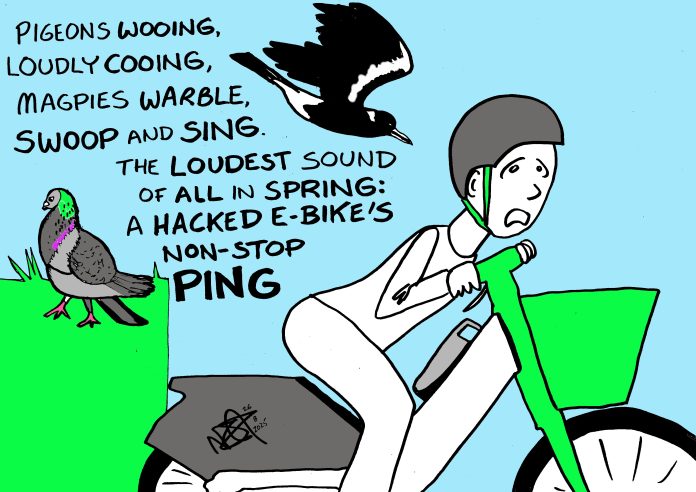
E-scooters and e-bikes are becoming a common sight across South Sydney’s streets and footpaths but confusion surrounds what is legal and who’s responsible.
It is important to distinguish between the rules for each. Currently, e-scooters – both
privately owned and shared – cannot be ridden on roads or footpaths in Sydney, though
they are permitted in select state-run trial areas such as Wollongong.
E-bikes, on the other hand, are legal if they meet NSW’s power and speed limits.
The City of Sydney Council has so far opted out of participating in shared e-scooter trials, citing safety concerns in high-pedestrian areas.
But with more than a million e-bikes and scooters now in use across NSW, pressure is
growing for councils to help shape a safer, more consistent approach.
While councils don’t write the laws, they are set to play a growing role in:
• Building safer infrastructure (like bike lanes and shared paths)
• Regulating parking and clutter from shared bikes and scooters
• Educating riders
• Partnering with the state on future trials and safety policies.
Bottom line: All three levels of government – federal, state and local – will need to work
together to develop clear, consistent policies. While local councils don’t control e-scooter
laws, they will help shape how e-mobility rolls across Sydney through infrastructure,
parking rules, and community safety.
Their role will only grow as these transport options become part of everyday urban life.