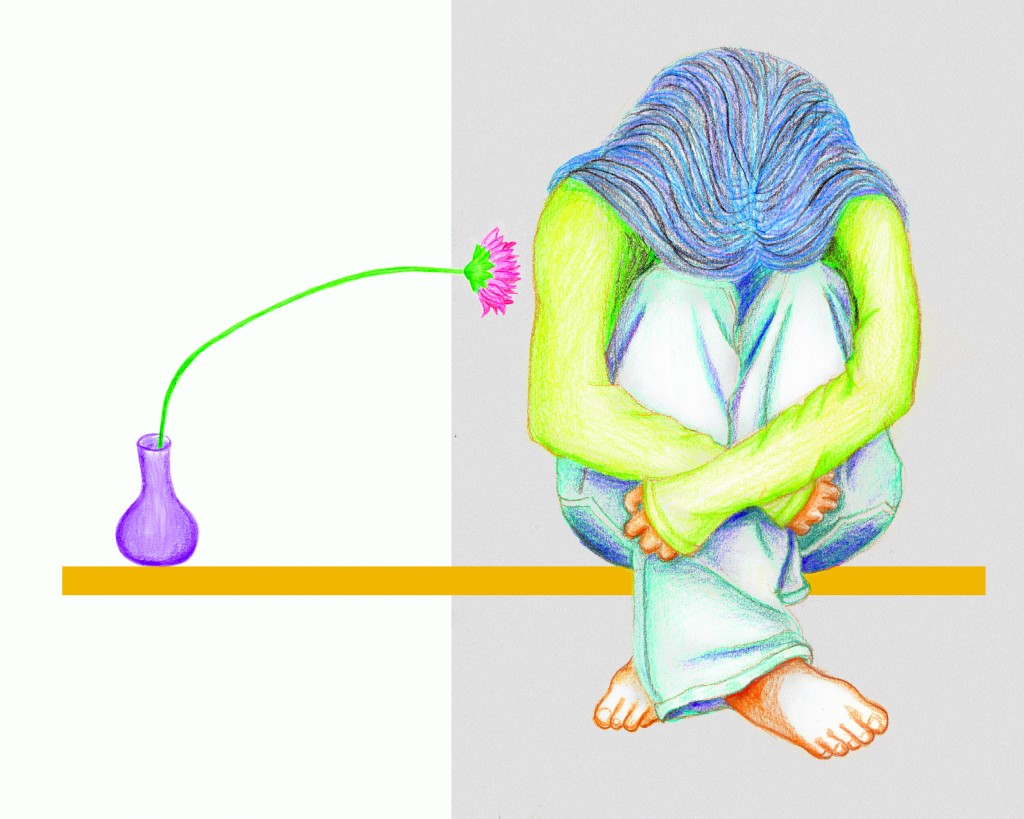
Initiated in 2011 by the Inner City Mental Health Recovery Working Group, the Inner City Cadre Project aims to create safe spaces by providing people with mental health issues, their carers as well as community members face-to-face recovery and peer support training and follow-up mentoring.
I became involved in the Cadre project through the Waterloo community as part of my work in a multicultural neighbourhood centre servicing the area. When I was told about the project, I found the idea interesting. It was also complementary with my work as a community worker. I am eager to learn more about the recovery model in working with mental health issues.
What I did not anticipate is how the role as a Cadre member has enlightened me with a better understanding and helped me set clearer boundaries in both my personal and professional life. I will now illustrate this with two case studies – one as a worker and another one with a close acquaintance.
Case 1
Cadre is a person-centred approach which provides a clear process to help support clients with mental health issues. In applying this process I may ask a client some open questions, paraphrasing what they have shared and acknowledge emotions and facts, and maybe finally refer the client onwards to more appropriate mental health care and support. The client may also come back for a follow-up or debriefing session and/or to thank us for the support.
I may apply a strength-based approach to reinforce the client’s commitment to self-care and to seek support as needed in the future. Higher needs clients may take a longer time for the building of rapport before I am able to refer them to better support. But since most clients that may walk into our centre will be voluntary, it does not take much for me as a worker to support them in their journey toward better mental health.
Case 2
Recently I have had a close acquaintance come to me for some support with regards to his mental health. My first response was to treat him as I would a friend. However, after a few “talking cure” sessions, I felt that the whole experience was not helpful in growing our relationship, because we do not have a strong enough friendship established and I do not think that he trusted me fully. Sadly, he had no-one else to turn to who he felt would be more understanding. He told me that he was coming to me with his issues, knowing my background in counselling, but clearly he does not want a counselling experience.
While I do use my skills in our interactions, I also found it hard to relate to him as I would with a friend.
Reflecting on my approach in the first few sessions, I saw myself struggling between providing advice as a friend and using more empowering techniques, as I would with a client. Neither approach sat well with my acquaintance or me.
In the next few sessions, I tried to incorporate what I learnt from my Cadre training. This seemed to work better since I was able both to relate to his experiences better and to feel that I was honouring our relationship as close acquaintances.
Here, I found my Cadre training served as a bridge in the client-friend continuum in my work and personal interactions with others. There are many people in my life who sit in neither the client nor the friend categories. As a result of my encounter with the Cadre project, I am finding my experiences with my close acquaintances more and more refreshing – they have enriched my understanding of my work and at the same time provided valuable insights into my personal life.