Whatever I might say, it will have little meaning while many families in Orlando, and in other parts of the world, grieve for relatives killed out of hate. After a silence, it is appropriate to take the cue from the mourners.
Owen Jones gave his moving perspective as a grieving gay man, that the murderer in Orlando and his hatred will be defeated. Of course he is angry and so am I. Hatred of LGBT people and other prejudices must be eradicated, no matter what the colour or religious affiliation of the haters, violent or otherwise. The challenge is how to achieve this.
Many LGBT activists have responded to the anti-Islamic sentiment resulting from this attack by reminding us that “it is our obligation as a queer community to remember that Islamophobia, homophobia, and transphobia work together” (Jacob Tobia, Facebook Status). Yet, many people will throw their hands up in despair and say that as long as certain kinds of religious beliefs exist we will never get along. These terrible events and some of the reactions to them feed a vicious cycle of animosity and division.
This cycle must be broken. It’s not easy. In fact when I reflect on the title I chose for this article, I think it might not be right to talk about a multi-faith dinner after the massacre of LGBT people in Orlando. The pain felt by people identifying as LGBT is raw. I offer my sincere condolences to this community at this difficult time. I’m aware that religious attitudes contribute to homophobia, which was one factor that led to the massacre. As a religious man and a bridge builder, this atrocity and to a lesser extent, some of the hateful comments following it, have disturbed me greatly.
Yet, I continue to hope and to press on building bridges. I’m inspired by the efforts of religious people to show solidarity and express empathy. One very moving account is that of Orthodox Rabbi Herzfeld who travelled with members of his congregation from Washington to an Orlando gay club to connect, commiserate and pray. He recounts the wonder of discovering how much they shared in common with those in the club: “Everyone in the bar embraced each other. It was powerful and moving and real and raw.”
I was also moved by the very clear message issued by a group of Australian Muslims and Muslim organisations which unequivocally rejected the hatred and anger which led to the violence. They state: “The LGBQTI community has a long history of experiencing prejudice, vilification and violence … There is no justification for such homophobia.” It was also refreshing to read the remarks of new Bishop Vincent Long Van Nguyen at his instillation as Bishop of Parramatta: “There can be no future for the living Church without there being space for those who have been hurt, damaged or alienated, be they abuse victims, survivors, divorcees, gays, lesbians or disaffected members.”
There were some attempts at solidarity that didn’t mention the identity of victims. These caused hurt. The media also drew attention to a comment from another time by a Muslim cleric whose visa was promptly revoked.
There is no need to pretend that differences of belief and clashing values are not challenging. On the contrary, because of these difficulties it is vital that people continue to make the effort to interact with those whose backgrounds and beliefs are different to their own.
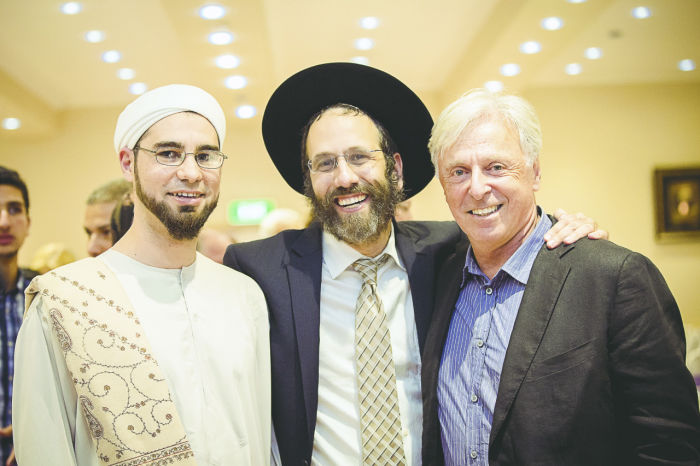
One opportunity to do that is to attend our annual multi-faith, multi-cultural fundraising dinner. This event is always an uplifting evening where people of all walks of life come together and discover commonalities and appreciate differences. The event will also raise some funds to teach children to embrace the “other” regardless of difference, be it difference of beliefs, practice or orientation, to tolerate what is uncomfortable but tolerable and to develop relationships of goodwill and trust.