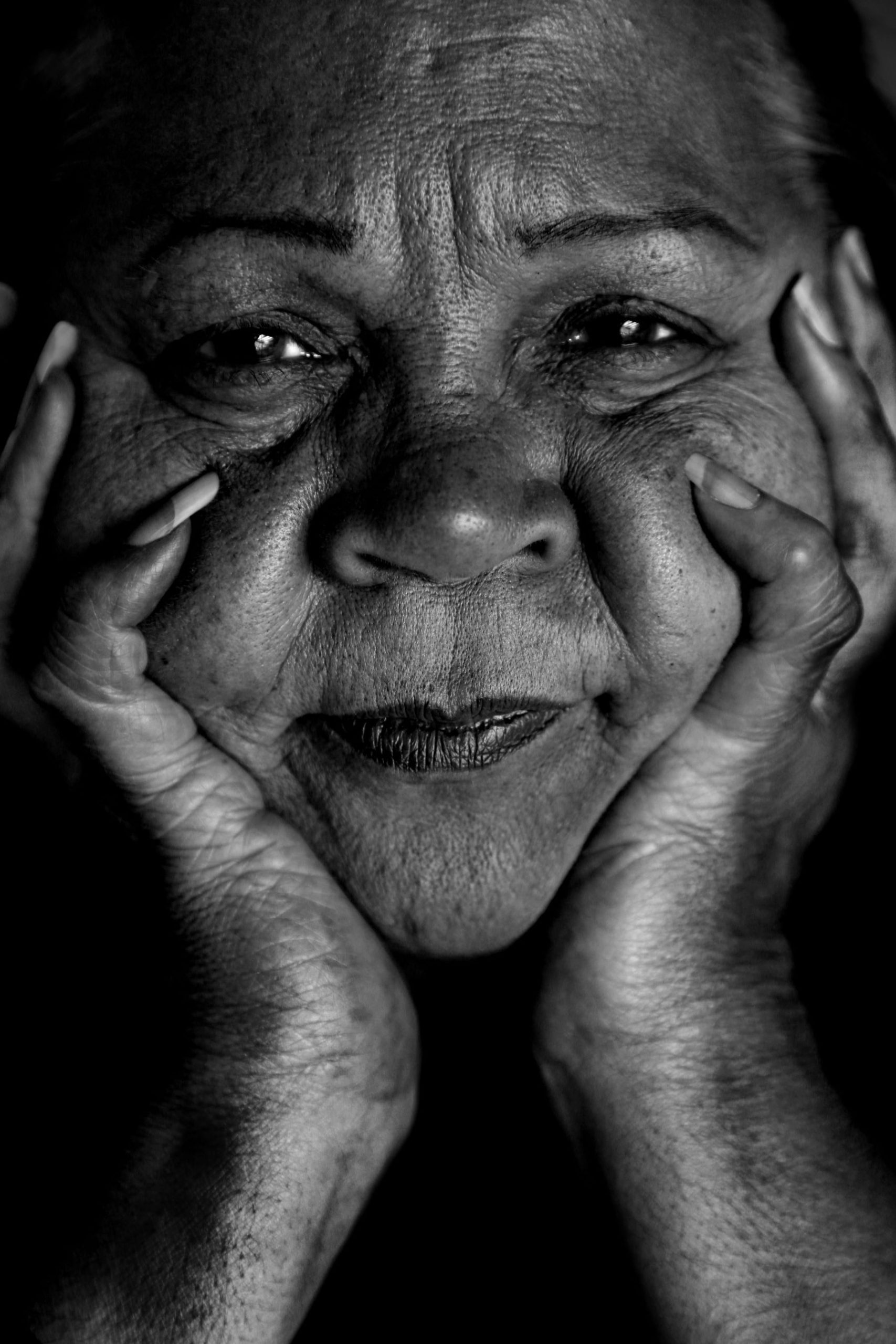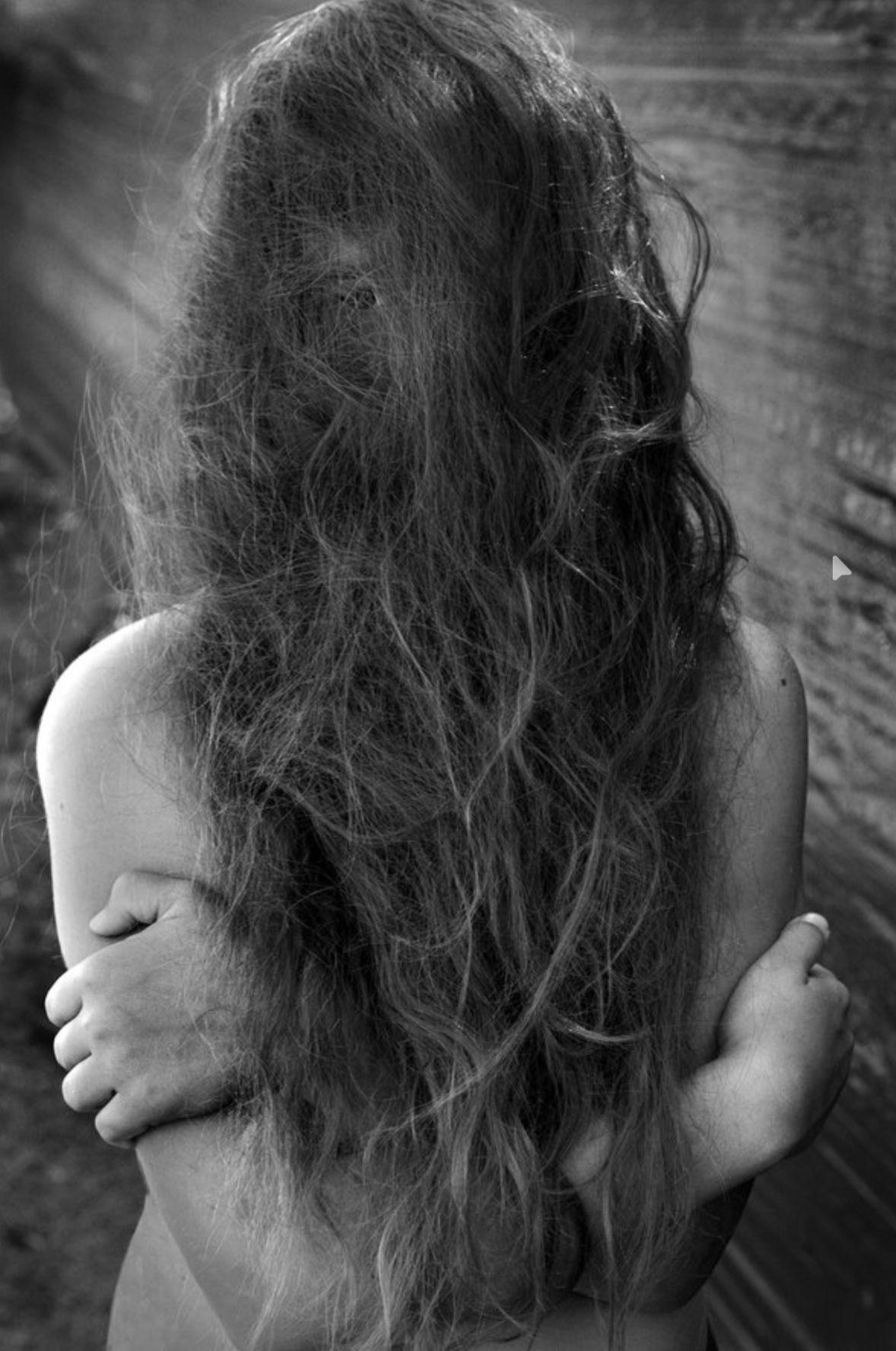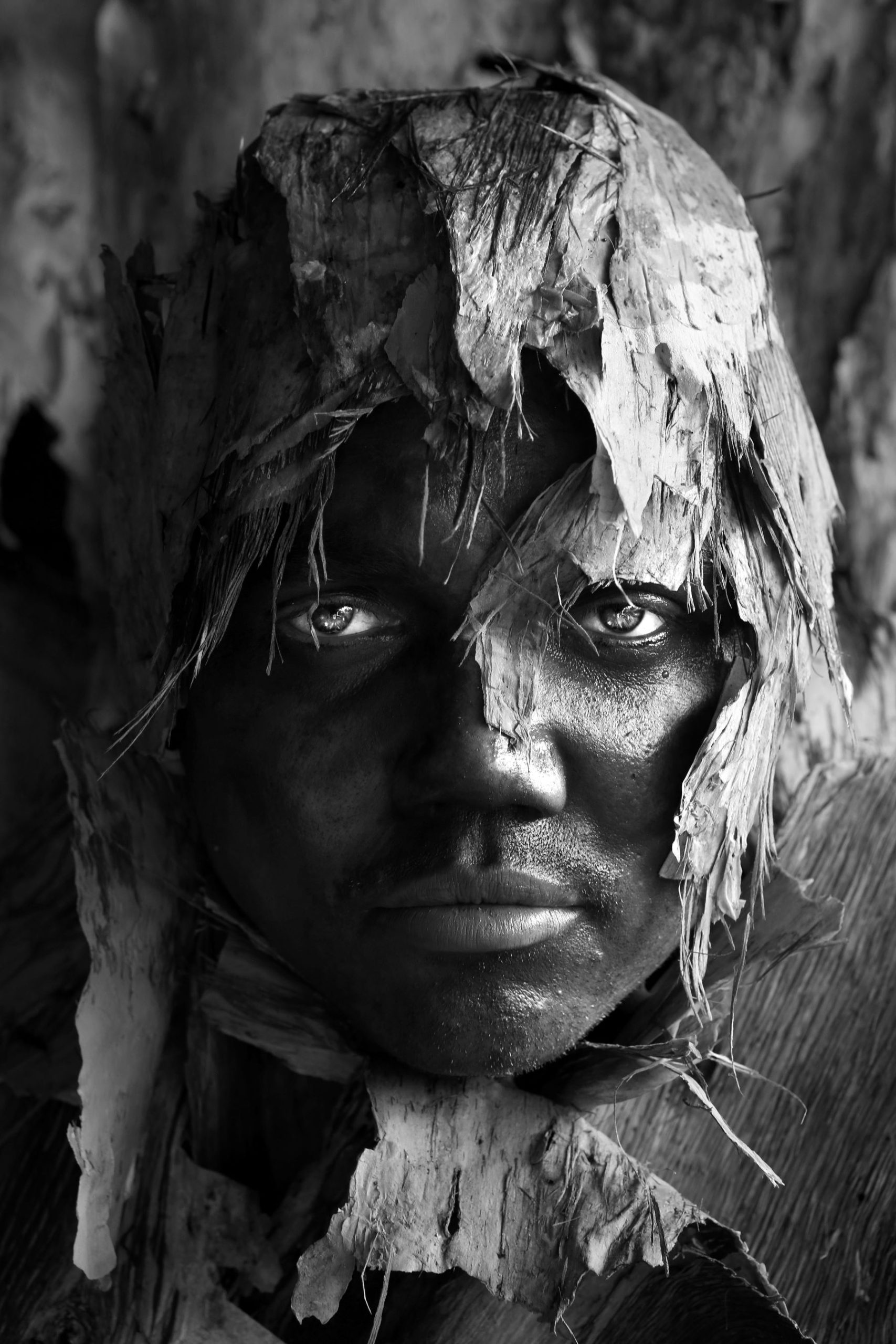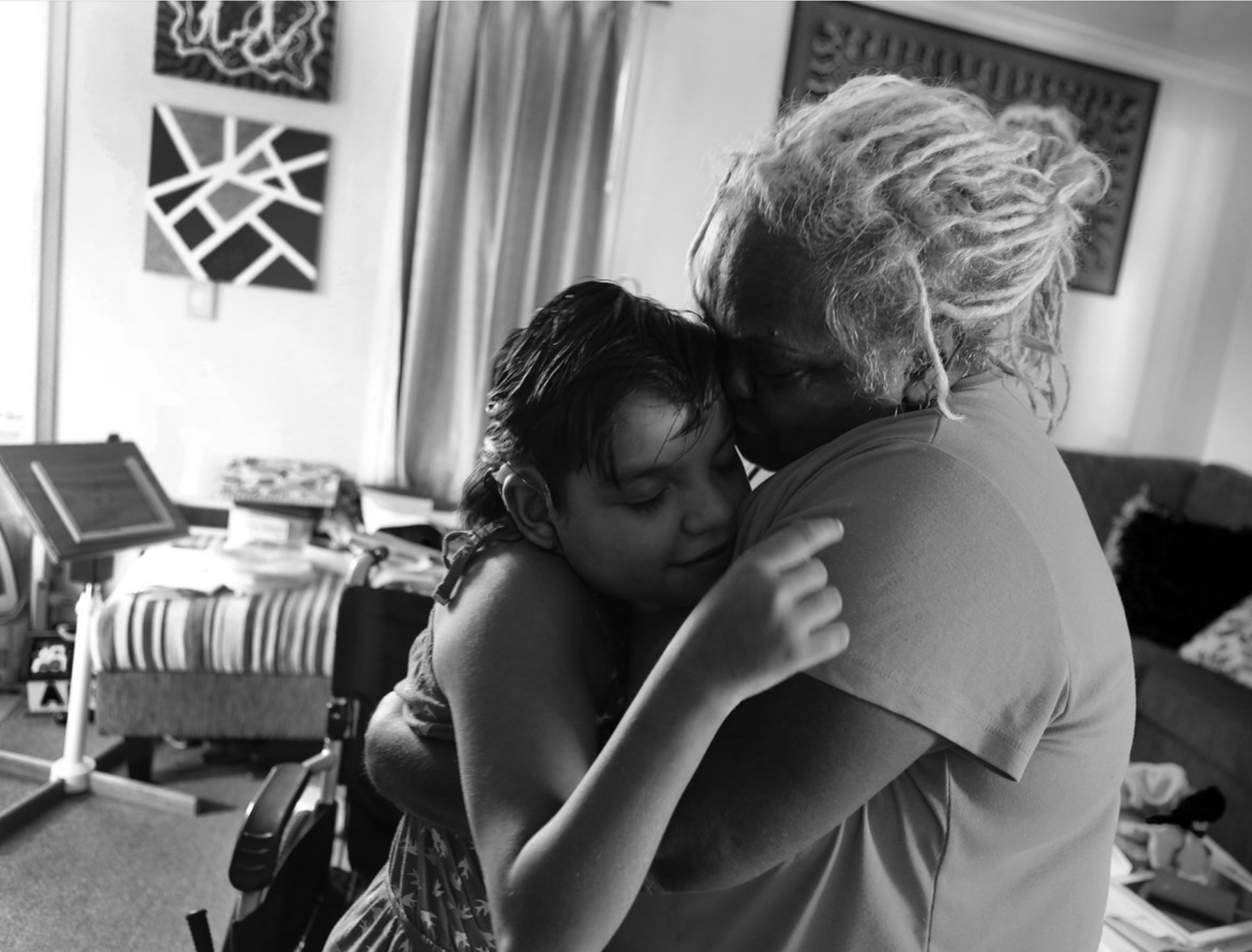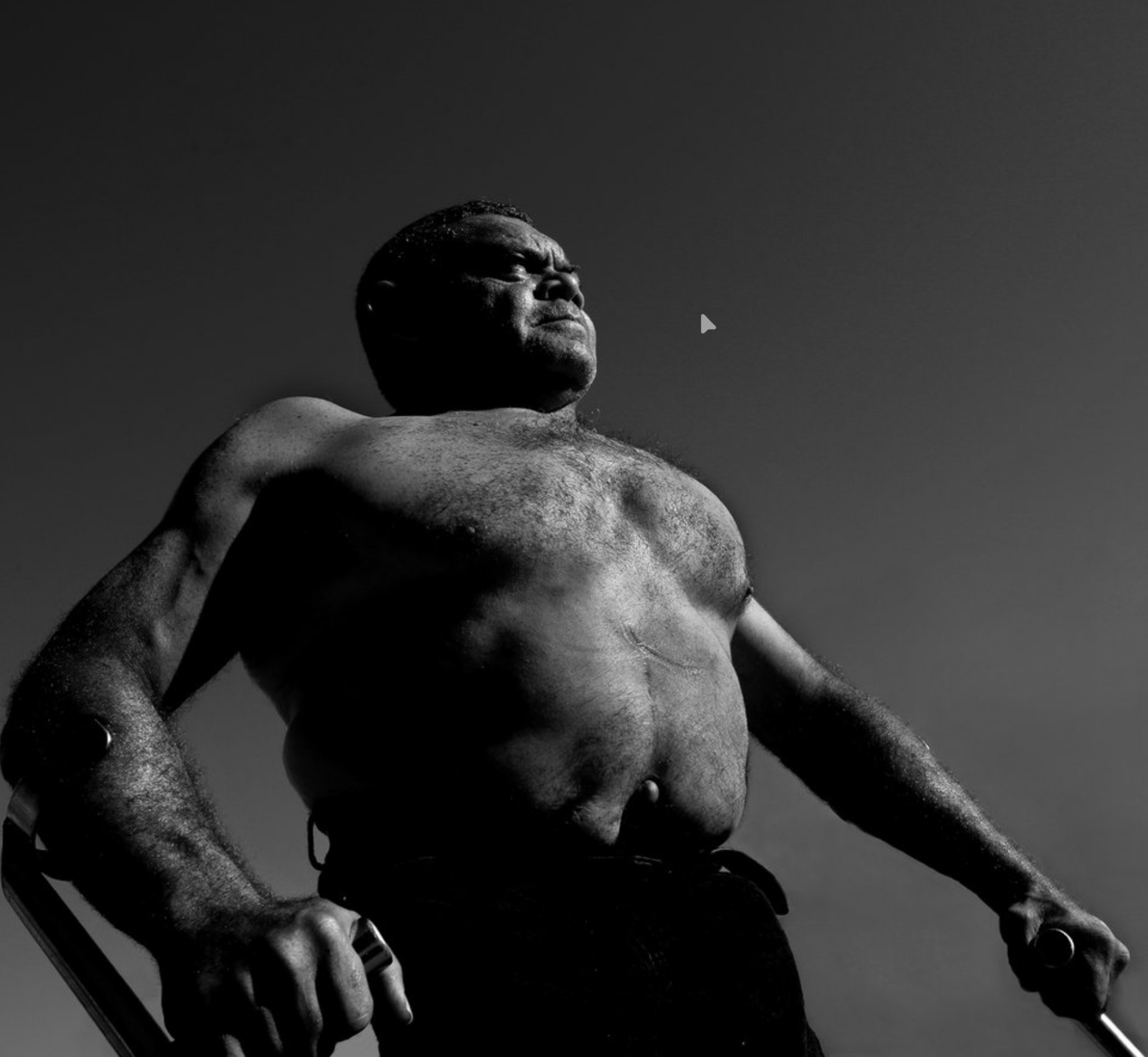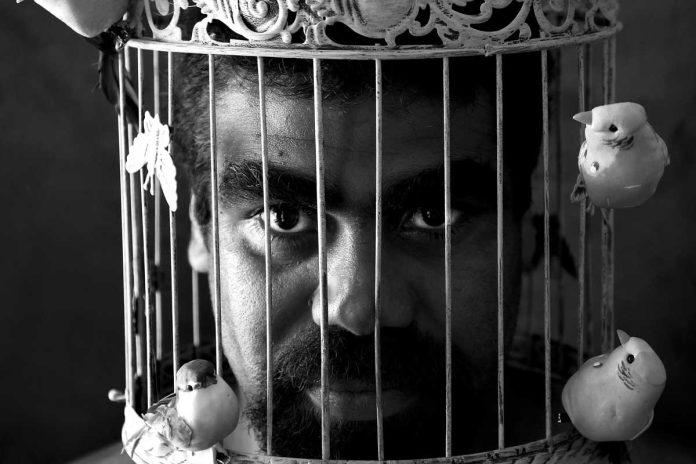
For the past thirteen years, an exhibition of photographs and stories of 30 Aboriginal and Torres Strait Islander peoples has toured the world. Launched in Geneva, the images depict individuals living with disability. For some, this disadvantage has been inflicted by the challenges of inherited trauma, addiction or societal disadvantage. OK, call it racism. Although some stories call out brutalisation, others speak of happy, fulfilled lives lived in the care and love of their culture, which for millennia understood that no one was left out.
Now at the Australian Museum, as part of the Unfinished Business exhibition, the installation Not Fit for Purpose, by Uncle John, offers a striking reflection on the systemic inequities within Australia’s disability support systems. While also setting new standards in accessibility, it uses an image presentation known as lenticulation to create the illusion of 3D depth. As you move around the image, it appears to lift out of its frame. This ultra reality deepens the intimacy of each story. Below, a tactile panel allows the image to be felt by the hand and seen by the mind. After accessing a QR code, each individual speaks in their own words and in their own voice.
These images and stories are deeply personal, some confronting, some delightful and quirky. Running through them all, though, is the story of how each person sees themselves. Disability is a tag or definition applied by others. They see a life lived to its fullest. Not disabled, but enabled. Enabled by the care and connection of kinship within the arms of their country, despite an inadequate health system that is simply not fit for purpose.
First Nations peoples make up only 3 per cent of the Australian population. Staggeringly, 50 per cent are officially classified as living with disability. They are effectively marginalised within their own country. In comparison, they are disadvantaged by all the markers of fairness and egalitarianism that we as a society proclaim.
These images and stories do not plead or complain. They do not blame or defame. What they achieve, with such unfiltered honesty, is to show that the spirit of truth-telling is also necessary for the healing of a nation body and for the wellness of its soul. The exhibition runs until 19 April. It is well worth a visit.