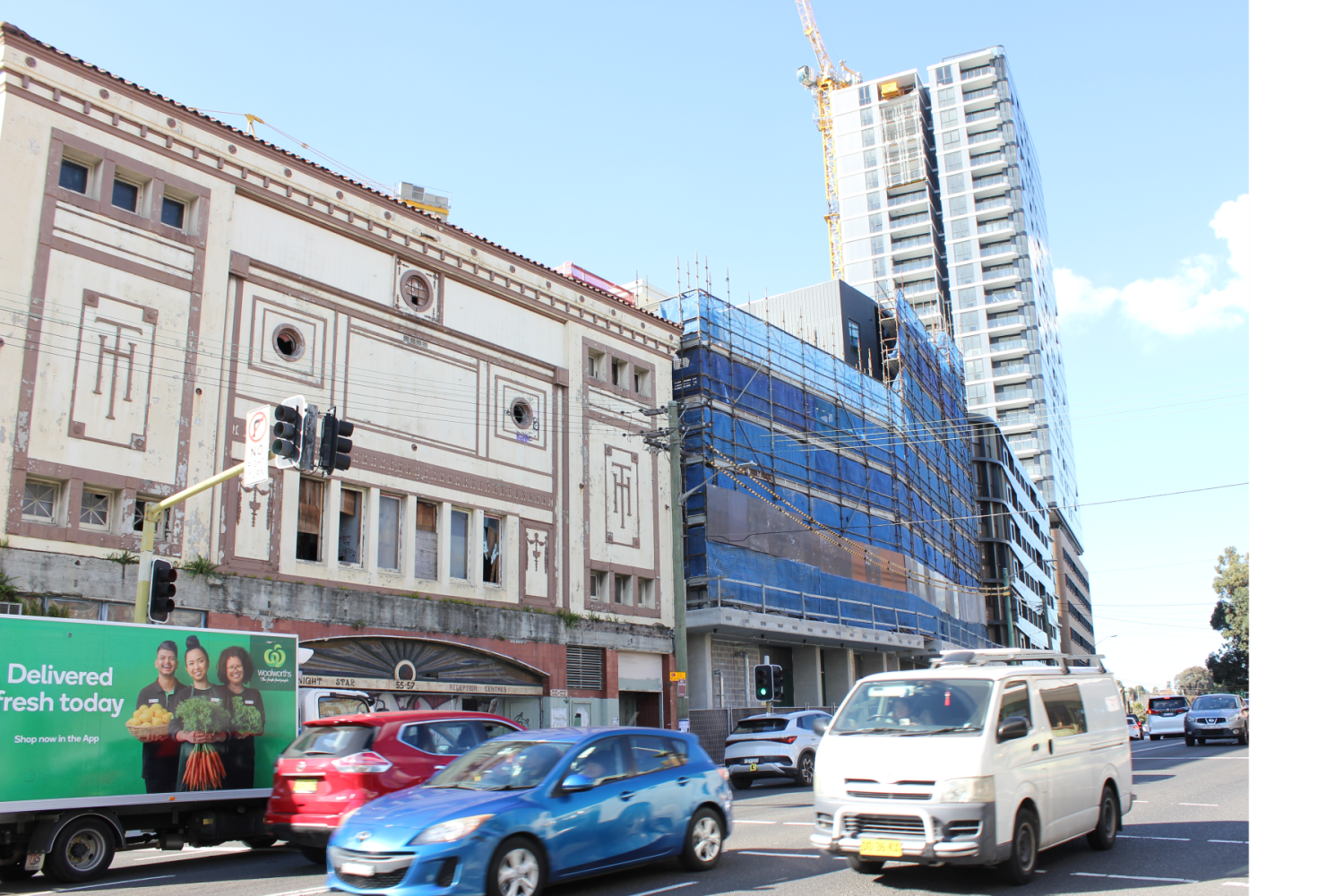
The Minns Labor Government wants councils to plan 30 years ahead for new housing but researchers say another part of liveability remains unsolved: who controls the food outlets that move in around these future communities?
University of Sydney food environments research fellow Dr Sisi Jia is concerned that people’s diets are being shaped long before they move into their new homes.
Her concern is becoming more urgent as the Minns Labor Government accelerates housing development around transport hubs, where thousands of future residents are expected to live closer to train and metro stations.
The Transport Oriented Development program is expected to deliver more than 170,000 new homes across 37 precincts over the next 15 years, including nearly 60,000 homes in eight accelerated precincts at Bankstown, Bays West, Bella Vista, Crows Nest, Homebush, Hornsby, Kellyville and Macquarie Park.
A University of Sydney study led by Dr Jia found that across eight accelerated development precincts, 79 to 94 per cent of food outlets within 1.2 kilometres of each station were classified as unhealthy or less healthy.
Last year, a proposed 24-hour McDonald’s was rejected in Redfern after residents raised concerns about health and local character.
The decision showed that food outlets aren’t always private business decisions. When their impacts extend beyond the lease, they can become public planning issues.
The accredited practising dietitian explained that the food choices people make after work should be close by, affordable and planned much earlier in the development process.
“It feels like a David versus Goliath sort of situation,” she said.
“It is really hard to counteract those big commercial influences because money is power.”
Planning and Public Spaces Minister Paul Scully has said the NSW Government “cannot direct which businesses choose to operate in commercial spaces within private developments,” with tenancy decisions made by private landowners.
Yet Dr Jia said that the biggest opportunity for change sits upstream, in the planning and policy decisions governments make, but that doesn’t mean the only answer is to stop unhealthy food outlets from opening.
“We’re talking about a range of solutions from not just restricting unhealthy food outlets, but trying to incentivise more healthy retail,” she said.
Professor Susan Thompson, a recipient of the prestigious Sidney Luker Memorial Medal for her contribution to urban planning, has spent more than three decades arguing that health belongs in planning. But she said the planning system is not designed to judge what kind of food a suburb should have.
She said if land is zoned for commercial use, a council cannot reject a food outlet because the area has too many, “or if they did, they’d have a big fight on their hands”.
Between those two realities sits the grey area now facing NSW’s new housing precincts: the government can plan homes, but the food environment is left to the market to decide where to move in.
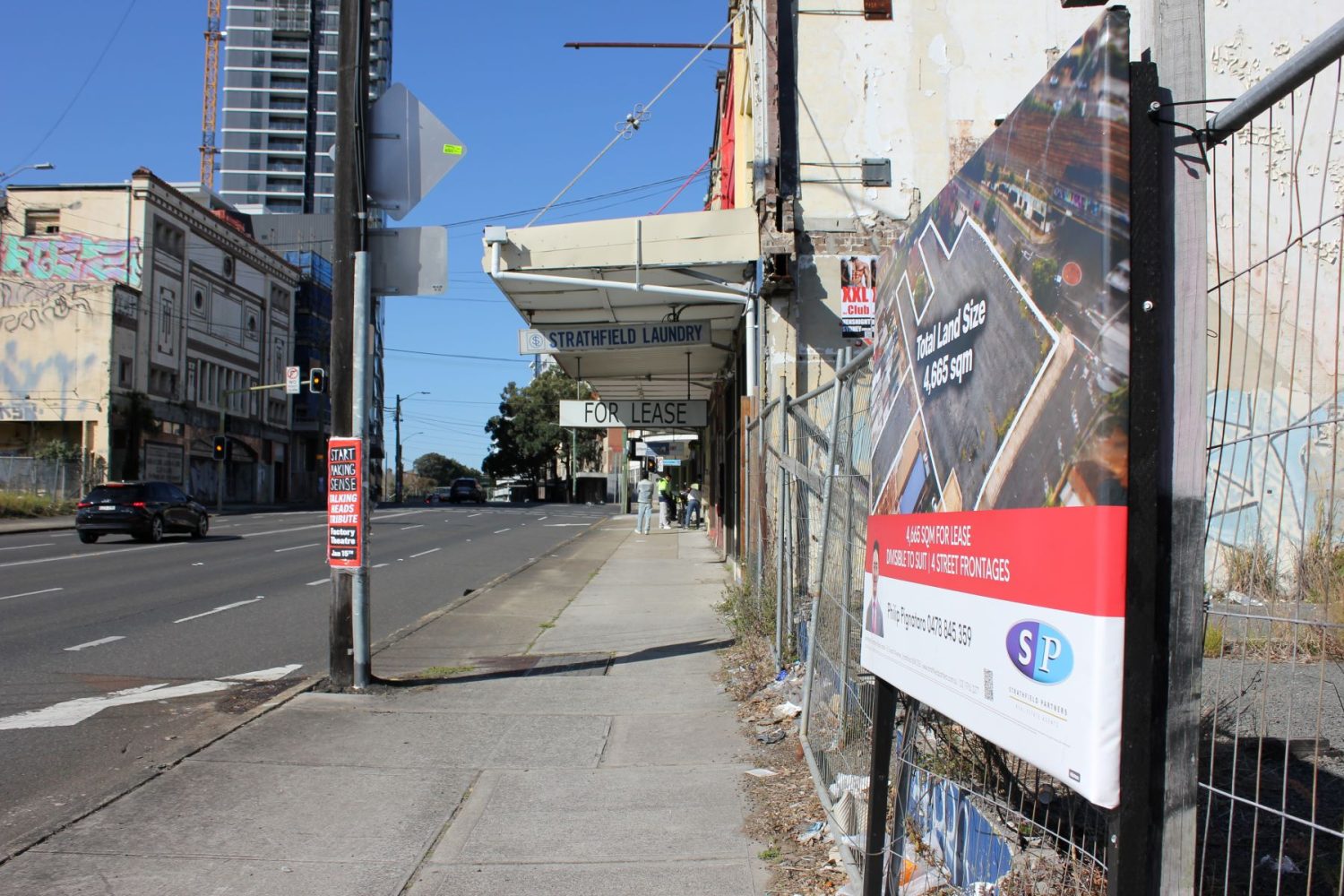
Dr Jia suggested that Bays West, a new precinct located two kilometres west of the Sydney CBD with fewer existing food outlets, is an opportunity for the government to think earlier about what kinds of food retail future residents will rely on.
The question is how far that influence can go.
Thompson said that the planning system would need stronger policies if governments wanted to treat unhealthy food concentration as a public health issue.
She pointed to liquor outlets as one example. Alcohol is regulated because drinking contributes to serious violence and public health harms, including more than 4,000 deaths each year and 6.7 per cent of drinkers reporting they had injured themselves or someone else because of drinking.
She suggested that food could be approached this way if the government recognised the wider consequences of concentrated unhealthy outlets.
Thompson also referred to overseas sugar taxes, where drinks high in sugar were made more expensive to discourage consumption.
Countries including Mexico and the United Kingdom introduced sugar taxes on sweetened beverages to reduce sugar consumption and tackle health concerns related to obesity in the past decade.
In Australia, similar proposals have been supported by public health advocates but have been left unadopted.
Other solutions Thompson mentioned were community gardens, farmers markets, food co-operatives, school kitchen gardens and community centres offering healthy cooking programs as ways to include healthier food access into everyday life.
She said community gardens are “one of the most health-supportive places you could possibly imagine,” because they create social connection and give residents access to fresh produce.
Thompson also mentioned that the Redfern case showed the potential for community voices to influence what gets developed.
She said public interest still has a place in the system, even when rules appear to be limited.
“Planning ultimately is a very political activity. Things have been stopped through public interest where there’s just so much public concern about a particular development.”
But as NSW tries to speed up housing supply, she said that public concern might become harder to protect.
“When developments come along, the community is included in that decision-making,” said Thompson.
“However, there’s more and more of a push to make that much more streamlined in a way that perhaps will cut out a lot of people.”
Thompson said changes to how local planners advertise new developments could mean more projects happen without residents knowing enough to respond.
“That is supposedly in the interests of streamlining the planning process and making it quicker, but there’s a potential downside to that too,” she said.