
This article is sponsored by Uniting, the Board of the NSW and ACT Synod of the Uniting Church responsible for the work of community services, chaplaincy and social justice advocacy. www.uniting.org
Imagine growing up in a dysfunctional family on Sydney’s outskirts – surrounded by violence, a culture of drinking and drug-taking, all leading to alcohol dependence by age 13.
Add to that, physical and sexual abuse; violence in adolescence; the revolving door of juvenile correction; then seven years of adult prison where you learn to use the ultimate drug of escape, heroin.
That’s a Polaroid snapshot of the life of Kim, a real person now in his early 60s (name changed to protect his identity).
Kim used heroin for over 40 years to “numb the pain of life”. He stopped using two years ago through a trial of the innovative drug Buvidal – and is venturing to regain what he’s lost: family, friends, memories, dignity of work and connection with fellow Australians.
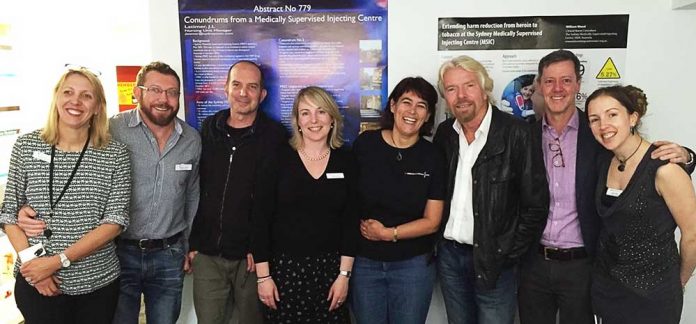
This would have been impossible without one vital health and harm-reduction service nestled in the heart of Kings Cross: Uniting’s Medically Supervised Injecting Centre (MSIC).
May 6, 2020 marked the 19th anniversary of the centre. As well as celebrating its monumental successes, we should also reflect on its personal impact on our fellow Australians who use this life-saving service – and why now, more than ever, we need more centres like it.
In stark contrast to today’s Kings Cross, with its vibrant, bustling shops and trendy restaurants, back in the mid to late nineties it was a more forbidding, darker place – littered with syringes, and the desperate souls using them lingering in shadows, seeking a cheap temporary fix to society’s woes. That meant increasing ambulance call-outs for heroin overdose, especially along Darlinghurst Road’s red-light district.
There you would have found Kim strapping his belt around his arm for a quick jab in “Deadman’s Lane” (Hourigan Lane).
“I’d check on other blokes to see if they were breathing,” he says. “It was pretty common for people to die in that back laneway.”
Kim and his mates would climb into the backyards of local residents to access water taps to clean their injecting materials. “It was a free-for-all,” says Kim – himself only recently treated for (and cured from) Hepatitis C. “People used dirty equipment and spread disease amongst themselves.”
All that changed for Kim in 2001, when the doors of MSIC opened.
At the centre people with a history of injecting may do so with clean equipment, under the supervision of clinically trained staff. According to MSIC Medical Director Dr Marianne Jauncey, “Overdoses are easy to overcome, but a person’s mental state and the sociological ills impacting them are much more complex. It takes time and care to help people get into treatment. But our first job is to keep them alive. No one gets better if they’re dead.”
Financed from confiscated proceeds of crime and operating with the blessing of the NSW government, police and local residents, MSIC has an impressive record. In its 19 years it’s overseen nearly 1.2 million injections, successfully reversed over 10,000 overdoses, made more than 17,000 referrals for treatment and, most importantly, no one has died at MSIC ever.
That bears repeating: zero deaths.
According to Kim, “MSIC kept me alive until I was ready to seek treatment. The staff didn’t judge me. Now I have my life back and can give back to family, friends and society in general. MSIC is not just a place to inject drugs – it helps people like me regain health and dignity.”
Kim is now a volunteer team leader on Uniting’s Fair Treatment campaign – helping others with lived experience to share their stories and build a grassroots movement throughout NSW and ACT.
Fair Treatment works to convince state and territory governments to modernise laws and treat personal drug use as a health and social, rather than criminal, issue.
The campaign looks to places like Portugal where, over 20 years, reforms have slashed drug deaths and allowed more people to reclaim their lives and become active members of society.
_______________
For more information see the community impact section of Uniting’s website Uniting.org or visit fairtreatment.org.