


Talking about death isn’t a conversation most people want to have. For a lot of people, it is a conversation that is outright avoided, but what if this conversation turned into reflective questions?
Who do we want to be remembered as?
How do I want to say goodbye?
What do I want in place for when I die?
All these questions have one thing in common. They are about agency and choice.
On 14 September 2026, researchers, people with lived experience and end-of-life practitioners came together with members of the Sydney community at UNSW to explore why death and dying remain so difficult to talk about, and what might change if we became more comfortable having these conversations.
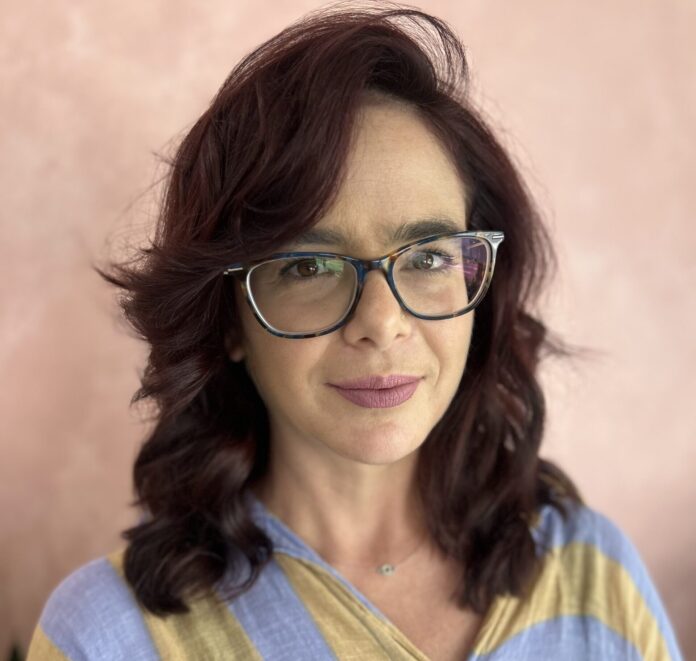
The panel included Dr Na’ama Carlin, UNSW sociologist and co-author of Being Patient: Close Encounters in Cancer World.
Dr Carlin’s work challenges why we must include death in discussions about health. In her research, it became obvious that the taboo around death and dying takes away agency in health care access and justice. This is detrimental to people who are dying and everyone involved.
“Language matters for how we talk about death,” Dr Carlin said. “Someone doesn’t lose a battle to cancer, for example – this is an individualistic lens about death and dying that removes the role of the health care system.”
“We don’t do grief well. When we are allowed to be held in grief, we also give permission to grieve collectively.”
In confronting death, we can reframe the experience people will have. Death is not a problem to be solved, and it is not someone who has failed at health.
It is an experience every person will go through. It is part of the human experience. When reframed as a health justice issue, people who are dying can access a different system where their health needs are met and not ignored.
As part of the community event, organisers were prepared to support people through difficult conversations. What emerged was the opposite. In talking through death as a human experience, the desire to feel alive also emerged.
Excitement and energy shone through the conversations about how we can, in the now, choose to live.
You can watch the event here.




Brilliant piece!