


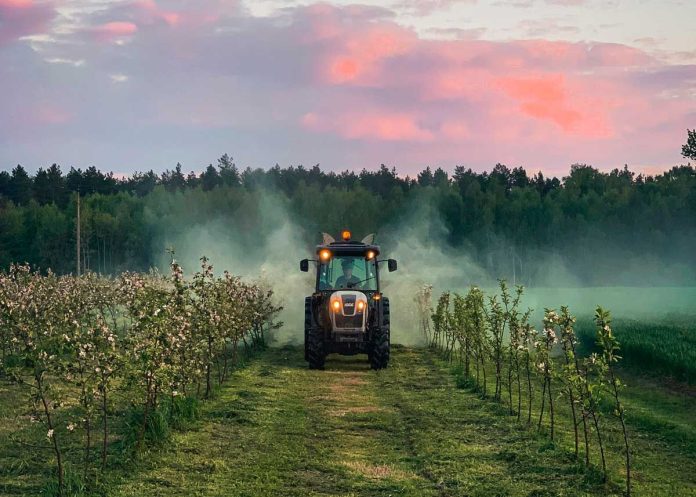
PFAS. Ten years ago, this was a cryptic acronym. Nowadays, it has become so common in our news feed that you probably know it is pronounced P-fass, and that it designates “forever chemicals”.
The nerdy words that PFAS stands for (per- or polyfluoroalkyl substances) tell you what they are, but if you never liked chemistry, just think of them as chemicals that do not exist naturally, yet are found in every type of environment: soil, water, air, and the human body. The problem is that they are everywhere but welcome nowhere, as they are essentially contaminants that we cannot get rid of or recycle, and because they have been linked to human cancer, decreased immunity, and developmental problems.
We have synthesised PFAS since the 1940s for the magic-like properties they confer: heat-resistant, waterproof, and anti-adhesive. Today, they are embedded in an enormous quantity of products across at least 15 categories of common goods, including cosmetics, clothing, food packaging, electronics, paints, pesticides, firefighting foam, and household chemicals.
As we wash our clothes and clean our sinks with detergent; as we eat popcorn, microwaved pizza, or an apple; as we apply lipstick or mascara; as we drink our daily coffee, we consume, often ingest, and in every case contribute to the production of PFAS, their shedding in nature, and the decline of our health.
Sydney is, of course, not immune to the PFAS curse, but we don’t really know to what extent. In fact, local researchers are actively trying to assess just how many (and how much!) PFAS are in our bodies, perhaps entering via the city’s drinking water and the vegetables sold at Sydney markets, for example.
Facing this big a problem, what can we do? As you read these lines holding your PFAS-containing phone or mouse … not much. But hopefully, identifying the source and fate of PFAS, and developing alternatives, will one day allow us to rely on them a lot less than we do now. At the individual scale, it means understanding the value of research, demanding transparency about exposure, and advocating for the protection of the most vulnerable populations and natural sites.
_______________
References:
Dewapryia et al. (2023) Per- and polyfluoroalkyl substances (PFAS) in consumer products: current knowledge and research gaps. Journal of Hazardous Materials Letters, 4: 100086. https://doi.org/10.1016/j.hazl.2023.100086
Liu et al. (2024) Concentrations of per- and polyfluoroalkyl substances in vegetables from Sydney and Newcastle, Australia. Journal of the Science of Food and Agriculture, 104: 6667–6675. https://doi.org/10.1002/jsfa.13491
Hua and Donald (2025) Assessment of per- and polyfluoroalkyl substances in Sydney drinking water. Chemosphere, 385: 144611. https://doi.org/10.1016/j.chemosphere.2025.144611




Thanks Lucy for these helpful tips!
buy natural products, say no to polyester and fast fashion. look at the labels and packaging and make informed choices for clothing, homewares, food and drinks containers.
do this for your children and your children’s children and the general health of the environment