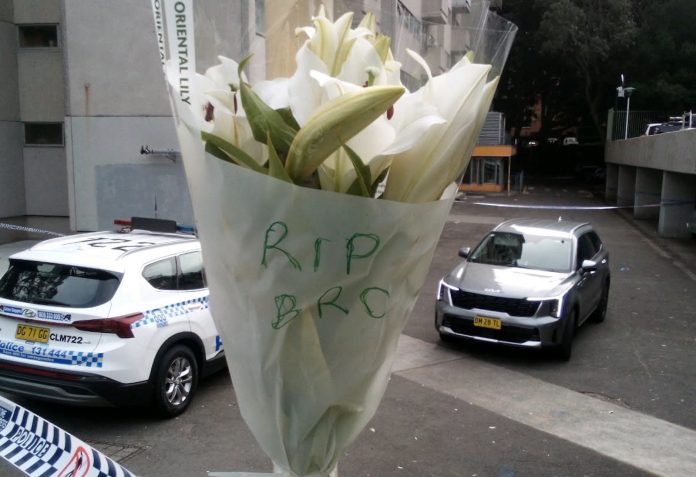
We are grieving the death of our neighbour, Collin Burling.
Collin was a much-loved member of our community – described by his partner as “a burly man with a heart of gold”. He died after calling emergency services for help during a mental health crisis. He asked for assistance – not confrontation. Instead, the situation escalated and ended fatally, just metres from his front door.
The official account says police and paramedics were there to help. But bodycam footage and videos recorded by Collin’s partner show a man crying out, “I’m not a threat”, and “Help me”, as four officers restrained him on the pavement. Minutes later, he went into cardiac arrest. He died soon after.
This is not an isolated incident. It follows the deaths of Jesse Deacon (Glebe, 2023), Todd McKenzie (Taree, 2019), and more than 50 others in recent years – all experiencing mental health crises, all fatally harmed during interactions with police.
These deaths demand answers. More than that, they demand change.
We echo local voices and mental health advocates: police are not trained mental health clinicians. They should not be the default responders to critical mental health emergencies. What we need – urgently – are specialised crisis teams: mental health professionals supported by paramedics, trained in de-escalation and care.
There must be a full, independent investigation into the circumstances of Collin Burling’s death. But investigation alone is not enough. We must overhaul how our state responds to mental health crises – starting with implementing existing recommendations for a dedicated mental health emergency response system, separate from police.
We offer our deepest sympathy to Collin’s partner, family and friends. As a community, we honour Collin by demanding justice – and by ensuring this never happens again.
Mental illness is a health issue. It must be met with care, not force.