HomeOpinionEditorial‘A giant in the fight for First Nations justice’

‘A giant in the fight for First Nations justice’

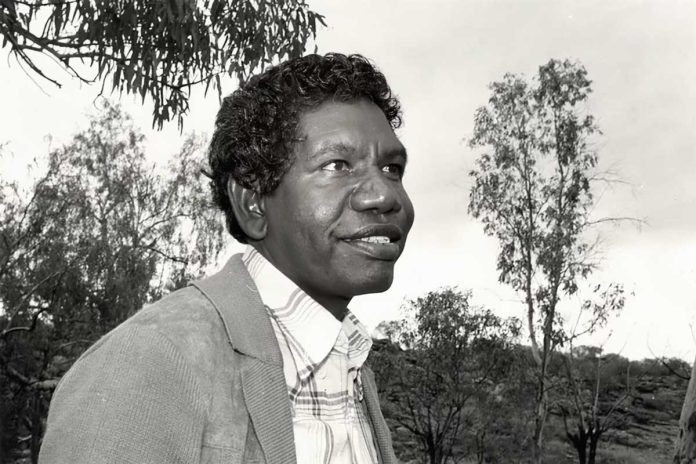
It is with great sadness that Reconciliation Australia sends our condolences to the family and friends of the Rev. Dr D. Gondarra OAM.

Respected lawman of the Dhurili clan of north-east Arnhem Land and a key Aboriginal leader over decades, Dr Gondarra was a highly effective advocate for his Yolŋu culture and language.

He worked relentlessly for the recognition of his peoples’ sacred Yolŋu Rom (law), establishing the Mawul Rom project, to educate and build a dialogue with non-Indigenous people.

A man dynamic in both his Yolŋu society and mainstream Australia, Dr Gondarra was also the co-founder of the Uniting Aboriginal and Islander Christian Congress and the first Aboriginal Moderator of the Uniting Church in northern Australia.

He was a leading figure in the development of an Aboriginal Christian theology and was the first Indigenous person to sit on the World Council of Churches.

Dr Gondarra was a dedicated supporter of the reconciliation movement, serving as a member of The Council for Aboriginal Reconciliation, Reconciliation Australia’s predecessor.

But his great love was for his Yolŋu people and culture, and he served his people as the first Yolŋu chairman of the Arnhem Land Progress Association (ALPA) – a position he held for 30 years.

His skills in governance and business were demonstrated by the massive growth of ALPA during his leadership. From a small organisation ALPA expanded to operate more than 25 stores and deliver major community service programs and enterprise businesses throughout Arnhem Land.

Dr Gondarra was a giant in the fight for First Nations justice and his legacy will continue to support and encourage Australians to work together to build a better, more just and reconciled country.

www.reconciliation.org.au

spot_img
- Advertisment -spot_img

Salt and light – local journalism in the Age of AI

Pope Leo XIV’s encyclical Magnifica Humanitas asks how human dignity can be safeguarded in an age shaped by artificial intelligence (AI), digital platforms and concentrated technological power. AI can serve human beings and the common good, but only when governed by ethical responsibility. It must not reduce people to...

A shivered plate

I can juggle three balls (badly), provided there’s a wall to bounce them off back towards me. I can keep a hacky sack in the air for around 30 taps. I can do ‘toe basketball’ and get the ball in the basket (on the floor) with my toes, at...

Sin, harm and healing

Talk of sin can leave people demoralised rather than healed. In some church settings, sin has sounded like shame, illness, depravity or permanent failure. That can be spiritually damaging. It can make people feel trapped. But we still need a way to speak honestly about harm. Our world is wounded by...

Concerns over Australia’s response to pro-Palestinian activism as laws face scrutiny

From hate speech laws to anti-protest measures later ruled unconstitutional, the NSW government’s rushed legislative response following the Bondi tragedy has prompted severe concerns over its impact on protest rights and free speech.  In April, the New South Wales Court of Appeal (NSWCA) ruled that the anti-protest laws introduced by...

What prison has taught me

Prison is a “culture” that most people look down on because it lies beyond their experience and understanding. As a chaplain in a remand prison with men in maximum, minimum and protection classifications, I have come to understand and appreciate the humanity of those I see and speak with each...