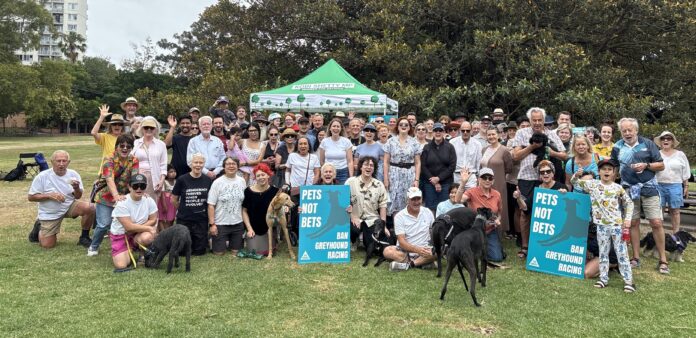
Kobi Shetty, local MP for Balmain, has been campaigning for a greener, more affordable future for the Inner West. But how easily can proposals be translated into meaningful change?
Shetty’s campaigns aim to deliver significant changes to improve local living conditions, with a focus on affordable housing and environmentally responsible neighbourhoods. Working closely with residents, she addresses a wide range of local concerns through 33 active campaigns.
A major focus for Shetty is making Glebe greener. Through local engagement, she has addressed numerous concerns and advocated for a more liveable neighbourhood, successfully campaigning for the return of Wentworth Park to public use and continuing to push for further improvements.
Long-term initiatives, such as No New Coal and Gas for NSW and A Better Future for Bays West, address broader issues, including the climate crisis and housing affordability. These campaigns call for an end to new coal and gas projects in NSW and at least 30 per cent affordable housing in Bays West, aiming to create more environmentally responsible and inclusive neighbourhoods.
Shetty argues that new developments should include walking and cycling paths to encourage residents to consider greener modes of transport. In May 2025, she petitioned the NSW Government to restore the Glebe Island Bridge as a safe route for pedestrians and cyclists. With goals to improve Inner West buses, increase L1 light rail services and expand the Balmain ferry service, Shetty hopes to improve access to public transport and essential services without relying on a car.
However, these developments also face economic challenges. Implementing new programs requires significant funding, which can be difficult to secure. Even where there is public support for change, financial constraints can slow the implementation of improvements and affect their quality.
The NSW Government plays a key role in approving developments and implementing policies that shape the future of local neighbourhoods. While ongoing advocacy can help ensure residents’ voices are heard, achieving a balance between environmental goals, housing needs and economic realities remains a challenge. Turning these ambitions into reality requires community support, adequate funding and careful planning.