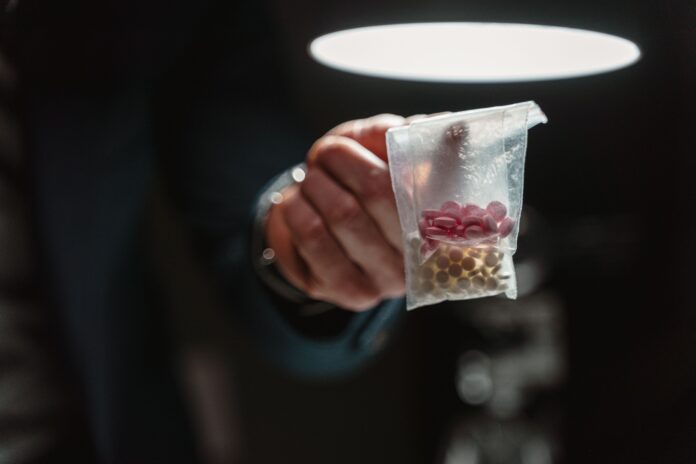
NSW drug checking will become permanent at up to 15 music festivals a year, but demands to expand the service into community settings have been rejected despite evidence that testing can change people’s drug taking behaviour.
The NSW Government has made drug checking a permanent program at music festivals after an independent University of Sydney evaluation found the services changed drug consumption behaviour and were associated with fewer hospitalisations.
From October, the program will be available at up to 15 festivals a year, with the government rejecting calls for regular community-based drug checking.
“The Minns Government has finally accepted the evidence that drug checking saves lives, and it’s great to see that it will finally become permanent at music festivals,” Greens MP and drug law reform and harm reduction spokesperson Cate Faehrmann said.
“But there’s no logical reason why they limited this to 15 music festivals and it’s a huge missed opportunity that they did not commit to community-based drug checking services too.”
The government announced $4.3 million in funding for drug checking at 15 selected festivals per year, following a 12-month trial involving more than 1,800 people and around 1,500 samples.
The evaluation found 8.1 per cent of samples contained an unexpected substance and people were more likely to take less or discard drugs when given information about unexpected or unknown substances.
Around 69 per cent of people who used the service had never discussed their drug use with a health or harm reduction professional. Faehrmann said these findings showed why drug checking should not be restricted to festival settings.
“Community drug checking in NSW could be delivered through permanent or regular drop-in services where people can have their drugs anonymously tested by health professionals and receive confidential harm reduction advice,” she said.
“It would also provide an opportunity to connect people who may never otherwise engage with the health system.”
Community drug testing is operating in other Australian jurisdictions, including Canberra’s CANTest and the Victorian Pill Testing Service, which Faehrmann cited as potential models for NSW.
Faehrmann also emphasised the scale of drug-related deaths in NSW, with the Penington Institute’s latest annual overdose report recording 575 accidental overdose deaths in the state.
The push comes as more people are being exposed to dangerous contaminants in illicit drugs. Faehrmann said dangerous substances such as nitazenes had been found in drugs sold as cocaine, ketamine, methamphetamine, heroin and MDMA.
The government has maintained the stance that drug checking is a harm reduction measure rather than an endorsement of illicit drug use. Health Minister Ryan Park said illicit drugs remain illegal and drug checking services are not a “silver bullet” for drug-related harm.
The NSW Liberals have also argued that pill testing could send a permissive message about illicit drug use. Shadow Minister for Health Sarah Mitchell said “normalising drug use at festivals, rather than deterring it” undermined decades of messaging about the harms of illicit drugs.
Faehrmann rejected that argument and said drug checking does not remove the risks associated with drugs.
“Drug checking doesn’t tell people that using drugs doesn’t come with risks,” she said.
“What it does do is give people the chance to find out what’s actually in the drugs compared to what they were expecting before they consume it.”
“So let’s make sure these services are rolled out where they need to be to save more lives.”