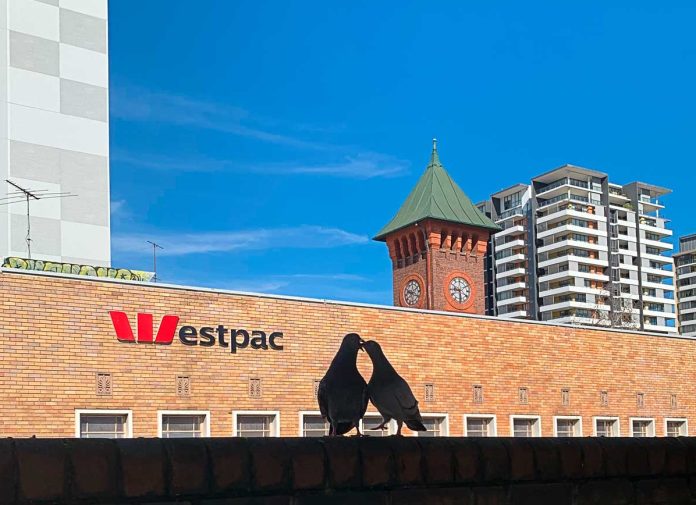
How many birds did you see yesterday? Perhaps none, but you might have heard some. Maybe the answer is that you simply cannot say, with certainty, whether or not there were any in your surroundings.
For many Sydneysiders, birds and other living things are visual or audio elements of a background we often fail to acknowledge, preoccupied as we are about work, family, friends, chores, and the greater troubles of the world. But September is Biodiversity Month, the perfect opportunity to reflect, even if briefly, on how much wildlife there is in Sydney.
It appears that, while we go about our lives, no less than 70 bird species live theirs in the city. In total, the Sydney Local Government Area (LGA) is home to 99 fauna species on land and in the air, including 13 mammal species, 11 reptiles and 5 frog species. Sydney also counts 365 indigenous flora species. And this biological diversity (which is what “biodiversity” refers to), is dwarfed when considering that the Sydney Harbour does, indeed, harbour 580 species of fish, and 2,473 species of polychaetes (“worms”), crustaceans (lobsters and the like), echinoderms (sea stars and urchins) and molluscs (oysters, anyone?).
It is a lot, but less than in the past. For example, prior to the arrival of Europeans, the sandstone-dominated habitat of Pyrmont alone probably supported twice as many flora species as the entire Sydney LGA today. In other words, a single neighbourhood was more biodiverse back then than the entire city nowadays. And while human activities have caused such drastic biodiversity loss, through habitat destruction, pollution and climate change-related effects, they have also contributed to the appearance of 80 weed species. In a vicious circle fashion, these can thrive in their new-found environment and compete with local species, further altering the natural landscape.
Biodiversity is beneficial to city-dwellers’ wellbeing, even when they don’t realise its soothing effects, and the preservation of natural habitat is a matter of identity for Indigenous people. Naturally, we all have different sensitivities when it comes to the amount of non-human life that we need to feel good in the city. Still, some facts speak for themselves. A very straightforward example is the cooling effect of tree canopy in the city, which can bring down summer temperatures by 10 degrees at street level. Think 27 degrees instead of 37.
Sydney will never get back all the species that it lost in the last 250 years, but there is good news to celebrate during Biodiversity Month. One striking example is the Living Seawalls project, nominated for the prestigious Australian Museum Eureka Prize this year.
Anyone walking along Sydney Harbour would notice these clearly man-made panels that actually serve as habitats to thousands of marine creatures. The idea behind these is as follows: since we keep on building along the coastlines and replacing natural cliffs and river banks with concrete walls, perhaps we could use these walls to mitigate biodiversity loss.
Practically, a piece of concrete can be designed and engineered into a panel containing crevices and nooks mimicking the complex, rough terrain of natural habitats. Instead of a smooth wall, larvae, algae and other organisms find a place to cling to, settle and grow.
In Sydney, the installation of Living Seawalls panels in the harbour has boosted the number of fish, seaweeds and invertebrates by 36%. It’s a remarkable result that shows how positive human actions can support biodiversity in the city. And if this inspires you to get involved, perhaps it could serve as motivation to join one of the many biodiversity volunteering groups scattered around Sydney, and learn more about the thousands of species, both aquatic and terrestrial living in your neck of the city!
_______________
References:
1. Sydney 2023, City of Sydney Urban Ecology Action Plan
2. Hedge L.H., Johnston E.L., Ahyong S.T., Birch G.F., Booth D.J., Creese R.G., Doblin M.A., Figueira W.F., Gribben P.E., Hutchings P.A., Mayer Pinto M., Marzinelli E.M., Pritchard T.R., Roughan M., Steinberg P.D. (2014) Sydney Harbour: A systematic review of the science, Sydney Institute of Marine Science, Sydney, Australia.
3. Vozzo ML, Bishop MJ, Dafforn KA, Mayer-Pinto M. 2021 Volvo Cars Australia – Sydney Institute of Marine Science “Living Seawall” Biodiversity Assessment.
4. Link for the Sydney Biodiversity volunteering groups here.